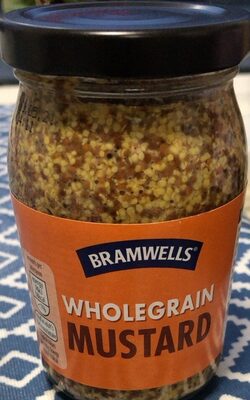
No, skip it.
wine.
Automated check based on Open Food Facts label data. Not medical advice. Always check the package.
Spotted an error? Tell us and we'll fix it.Deciding ingredient
wine
On the label
What we checked
This product on every diet
EatCheck is a free, community-supported tool. If this result helped you stay safe, consider supporting our server costs.
Nutrition facts (per 100g)
Ingredients (original text)
mustard seeds, spirt vinegar, water, white wine, sugar, salt, acid: lactic acid, spice,
Detailed analysis: why is Whole Grain Mustard not halal?
Our analysis indicates that Whole Grain Mustard is likely not suitable for a halal diet. This is based on the detection of the following ingredients which are generally avoided:
- wine
The full list of ingredients we analyzed is: mustard seeds, spirt vinegar, water, white wine, sugar, salt, acid: lactic acid, spice,. We always advise verifying with the manufacturer for the most accurate and up-to-date information.
Nutritional information
Whole Grain Mustard contains 183 calories per 100g, with 7g of protein, 10g of fat, and 9g of carbohydrates (9g of which is sugar).
What should you do?
If you are following a halal diet, we recommend looking for alternative products that do not contain these restricted ingredients. Many manufacturers now offer halal-friendly versions of popular products, so be sure to check product labels carefully.
Disclaimer: This analysis is based on ingredient data and should not replace professional medical or nutritional advice. If you have specific dietary restrictions due to health conditions, please consult with a healthcare provider or registered dietitian.
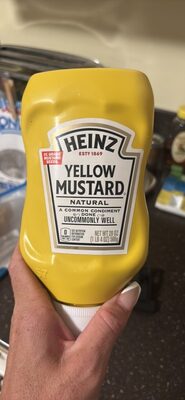
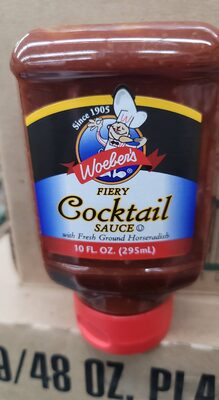
Try these instead
From the same aisle, these pass our halal check.
People also checked
Frequently asked questions
Is Whole Grain Mustard Halal?
No, Whole Grain Mustard is generally not Halal because it contains wine.
Does Whole Grain Mustard contain allergens?
Always check the packaging for the most current allergen information. The ingredients list we analyzed includes: mustard seeds, spirt vinegar, water, white wine, sugar, salt, acid: lactic acid, spice,
What are the nutritional facts of Whole Grain Mustard?
Whole Grain Mustard contains 183 calories per 100g, with 7g of protein, 9g of carbohydrates, and 10g of fat.
How much sugar is in Whole Grain Mustard?
Whole Grain Mustard lists 9 g of sugar per 100 g.
Can I eat Whole Grain Mustard on a Halal diet?
No, Whole Grain Mustard is not recommended for a Halal diet due to the presence of restricted ingredients. We recommend looking for Halal-certified alternatives.